
How EMS-ESS systems are made.
One design-and-integration team, backed by a dedicated battery pack manufacturing partner running 30,000 cells and 2,000 packs per day. Standard samples ship in 3 working days, custom samples in 15 and mass production in 20 — so you can evaluate the line and its output before committing to a container.
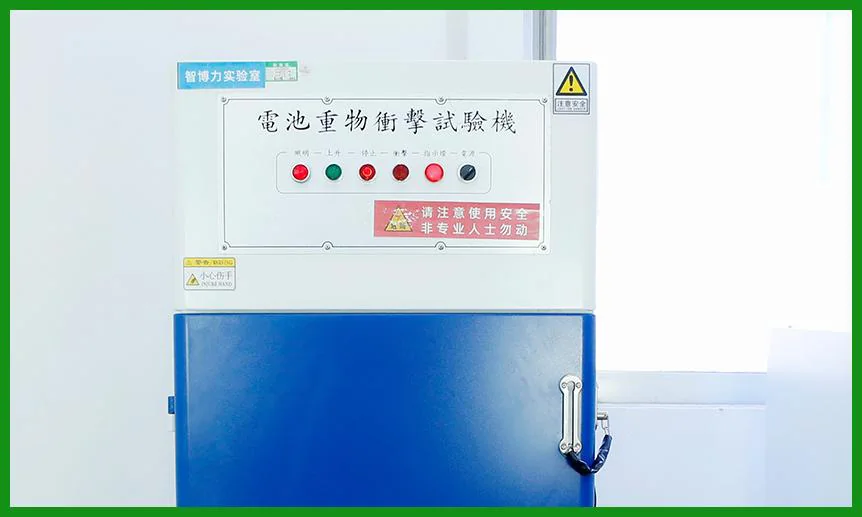
Built on a disciplined line.
EMS-ESS systems are assembled and tested on standardized production lines: incoming battery packs from our manufacturing partner, system integration, and full charge-discharge aging before every unit ships.
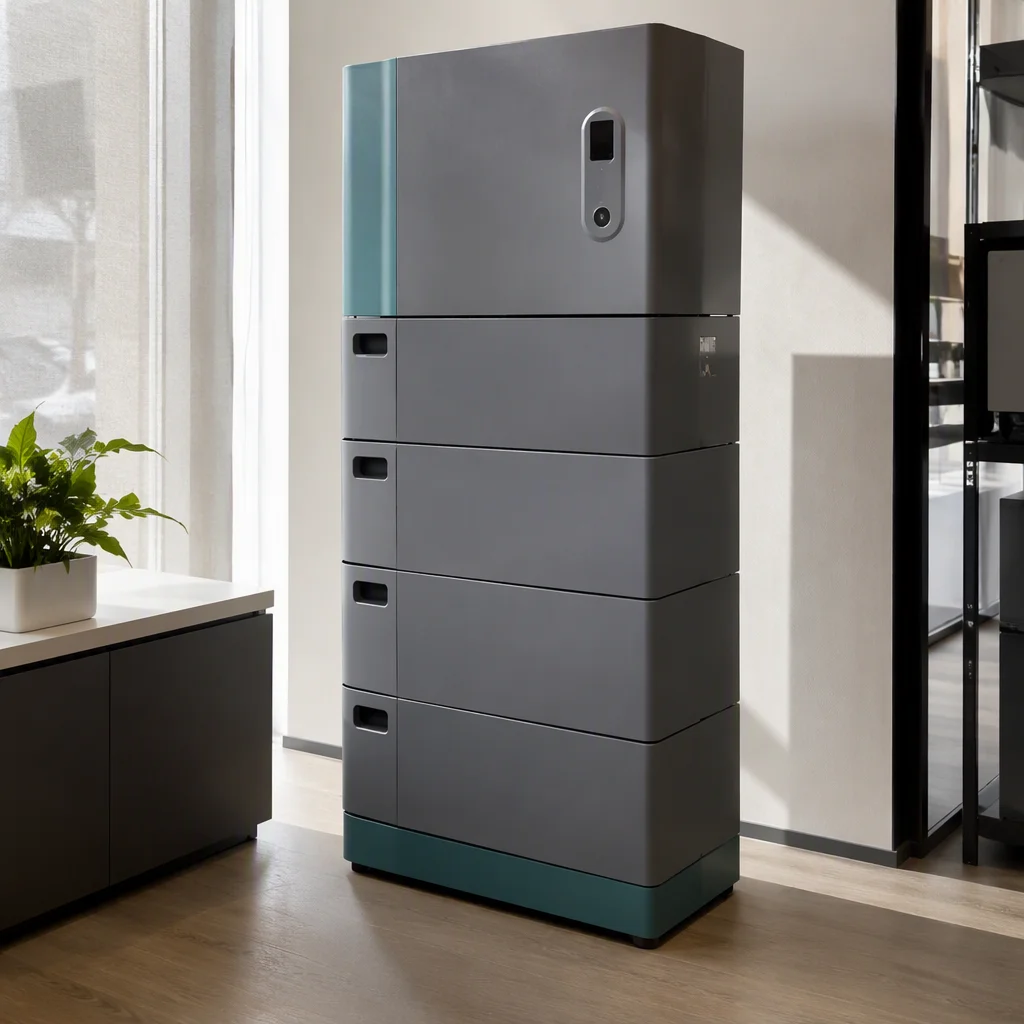
Design here, cells and packs there.
EMS-ESS owns the system-level work: product design, electrical integration, BMS configuration, assembly test and certification. The battery cells and battery packs themselves are manufactured by our dedicated battery-pack manufacturing partner, a lithium battery specialist founded in 2012 with nearly 100 employees.
That partner runs four standardized production lines for residential LiFePO4 packs — the same 51.2 V / 100 Ah class used inside our stackable and rack-cabinet systems — and holds ISO9001 plus CE on its full range, with UN38.3 and MSDS air and sea transport reports for its main models.
Every pack is traceable from cell batch to serial number, so a warranty claim years later points back to the exact cells and line that built it. That traceability is what lets a distributor quote a 5-year product and 10-year performance warranty with confidence rather than optimism.
- System design, integration and testing by EMS-ESS
- Cells and packs by a dedicated manufacturing partner
- ISO9001 quality system on the pack line
- Product liability insurance up to USD 2,000,000
Capacity and lead times, at a glance.
Figures below are from our battery pack manufacturing partner and reflect its residential LiFePO4 line.
| Daily cell output | 30,000 cells / day |
|---|---|
| Daily pack output | 2,000 battery packs / day |
| Standardized production lines | 4 lines |
| Maximum output per line | 500 packs / line |
| Average monthly output | 12,000 packs / month |
| Peak monthly output | 52,000 packs / month |
| Standard sample lead time | 3 working days |
| Custom sample lead time | 15 working days |
| Mass production lead time | 20 working days |
| Quality system | ISO9001 certified |
| Product certification | CE on the full product range |
| Transport reports | UN38.3 · MSDS · air & sea |
| Product liability insurance | USD 2,000,000 coverage |
Three gates every pack must pass.
IQC — incoming inspection
Cells, BMS boards, enclosures and connectors are checked against specification at receiving before a single unit is built, rejecting out-of-tolerance lots at the door.
IPQC — in-process control
Weld quality, cell voltage balance and assembly torque are sampled on the line, with defects quarantined and corrected before the pack advances to the next station.
OQC — outgoing control
Finished packs run charge-discharge aging and capacity verification before packing, so only tested units leave the dock and no uncycled pack reaches a customer.
Want to audit the line before you order?
Ask for a factory tour, sample pack or full certificate file — our team responds within 24 hours on working days.