
Field notes on home storage.
Practical guidance for buyers and installers — chemistry, sizing and inverter design — written around the numbers on the EMS-ESS datasheet: 5.12–30.72 kWh of LiFePO4 storage and GTB 400–1600 W microinverters.
Three reads before you specify.
Each article walks through a single decision with the data points you need to choose well, drawn from the same specifications our sales team quotes.
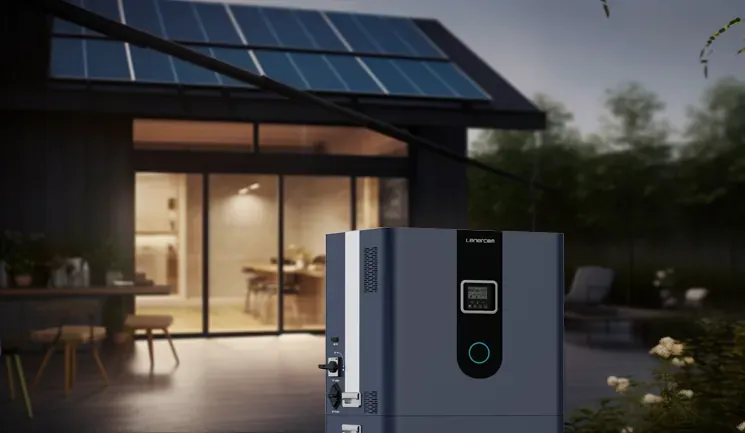
LiFePO4 vs NMC for home storage
Why LiFePO4’s 10,000-cycle life at 100% depth of discharge and thermal stability make it the safer default for a battery that lives inside a home, and how that shows up in warranty and lifetime cost.
Read article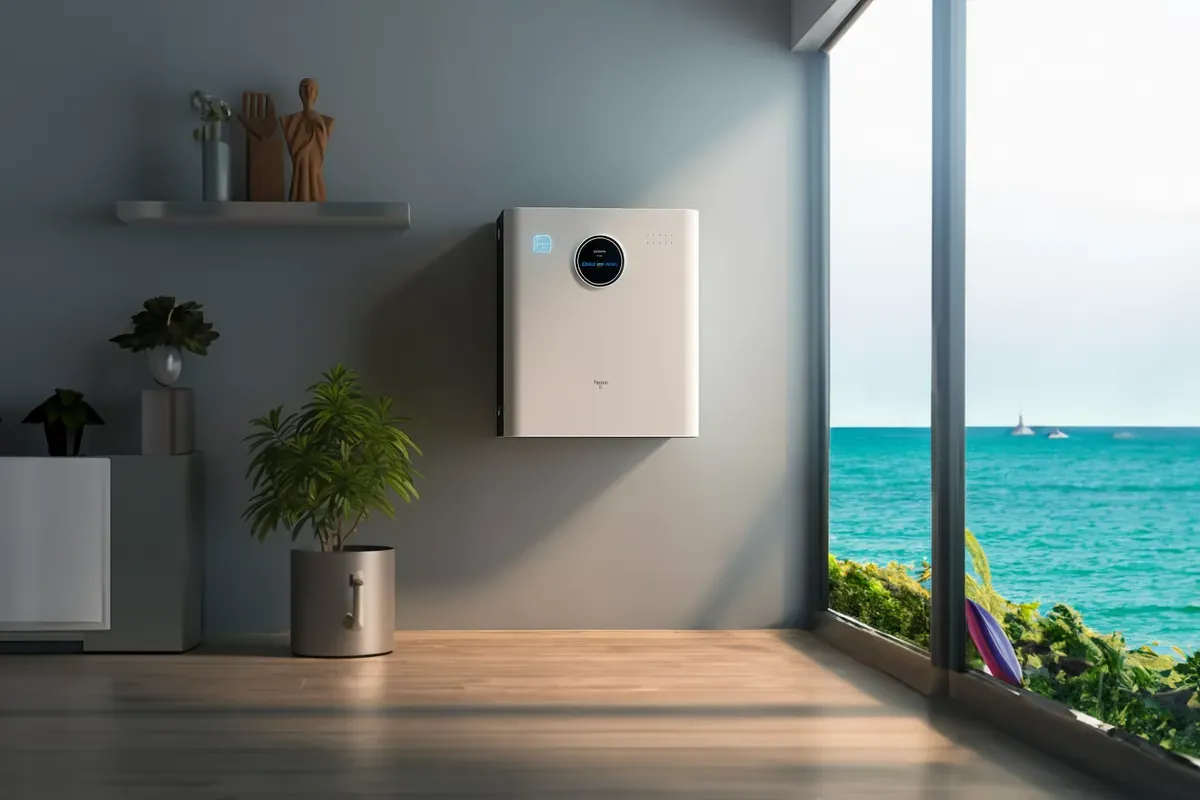
How to size a home battery
Walk your daily load from 5.12 kWh to 30.72 kWh in 5.12 kWh steps, so you buy capacity you’ll actually cycle — not a round number that sits idle and never pays for itself.
Read article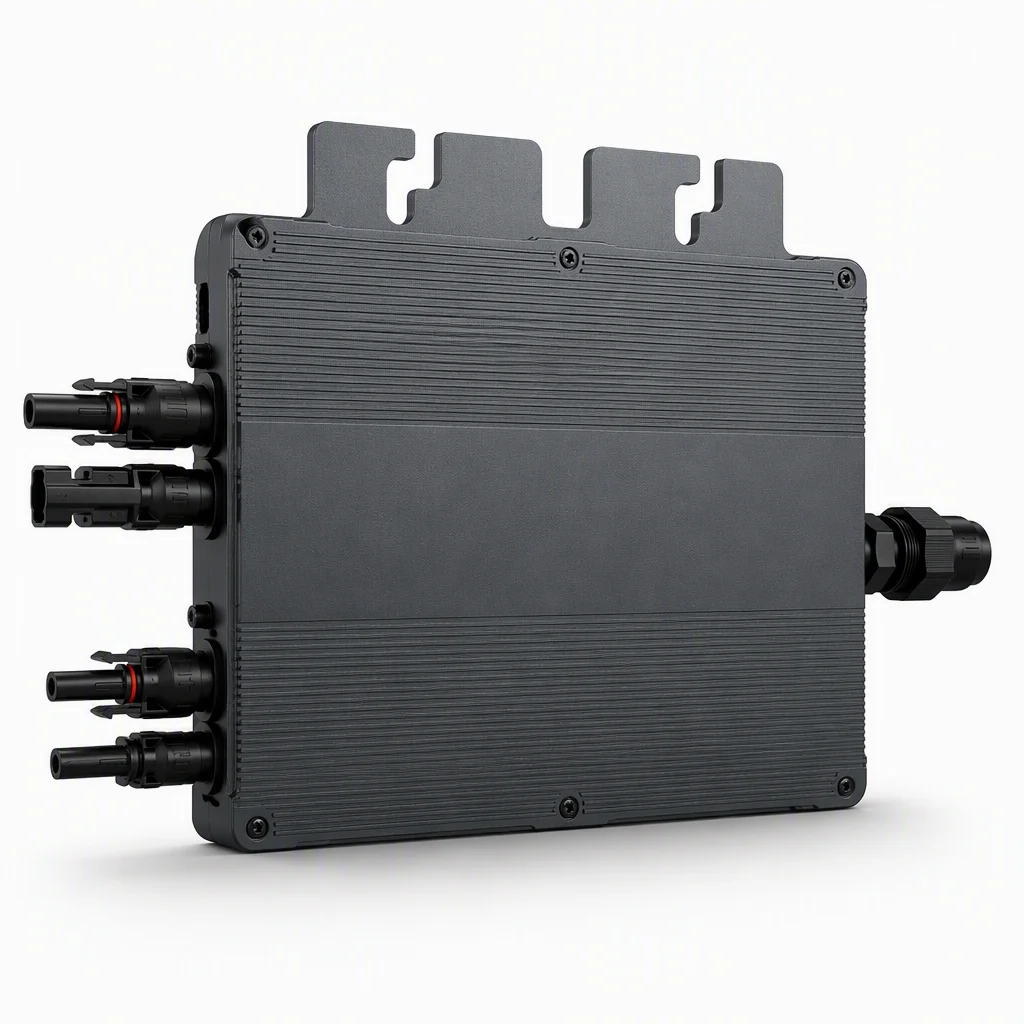
Microinverter vs string inverter
Module-level MPPT versus one string-level tracker — and where the GTB 400–1600 W range with 95% peak efficiency and IP65 enclosures fits a small or shaded roof.
Read articleWhat we write about, and why.
The blog is where EMS-ESS documents the decisions a buyer actually makes before signing an order: chemistry, sizing and inverter architecture first, with installation and shipping notes following. Every post links back to the product page it describes, so a reading decision becomes a specification decision.
| Chemistry | LiFePO4 versus NMC: cycle life, thermal safety and lifetime cost |
|---|---|
| Sizing | Mapping daily load to capacity in 5.12 kWh steps, up to 30.72 kWh |
| Inverter design | Microinverter versus string architecture, with GTB series data |
| Installation | Wall mounting, three-cable wiring and 0 V transport-safe ports |
| Shipping | UN38.3 compliance, sea and air options, Incoterms |
| Grid codes | VDE-AR-N 4105, G99 and EN 50549 in plain language |
| OEM / ODM | Colors, logo printing and private-label packaging explained |
| Warranty | 5-year product and 10-year performance terms, decoded |
| Certifications | CE, IEC 62109 and UN38.3 — what each mark actually means |
| Market economics | Self-consumption, negative prices and battery payback |
Every article carries the same evidence bar.
No marketing adjectives and no invented numbers — if a figure appears here, it is on the datasheet.
- Real datasheet figures only — no invented specifications
- Comparison tables with the parameters a buyer can verify
- Product links to the exact pages behind every claim
- Plain English, written for distributors and installers
Want the short answer for your project?
Send your daily kWh and roof size — our team will spec the right system within 24 hours on working days.