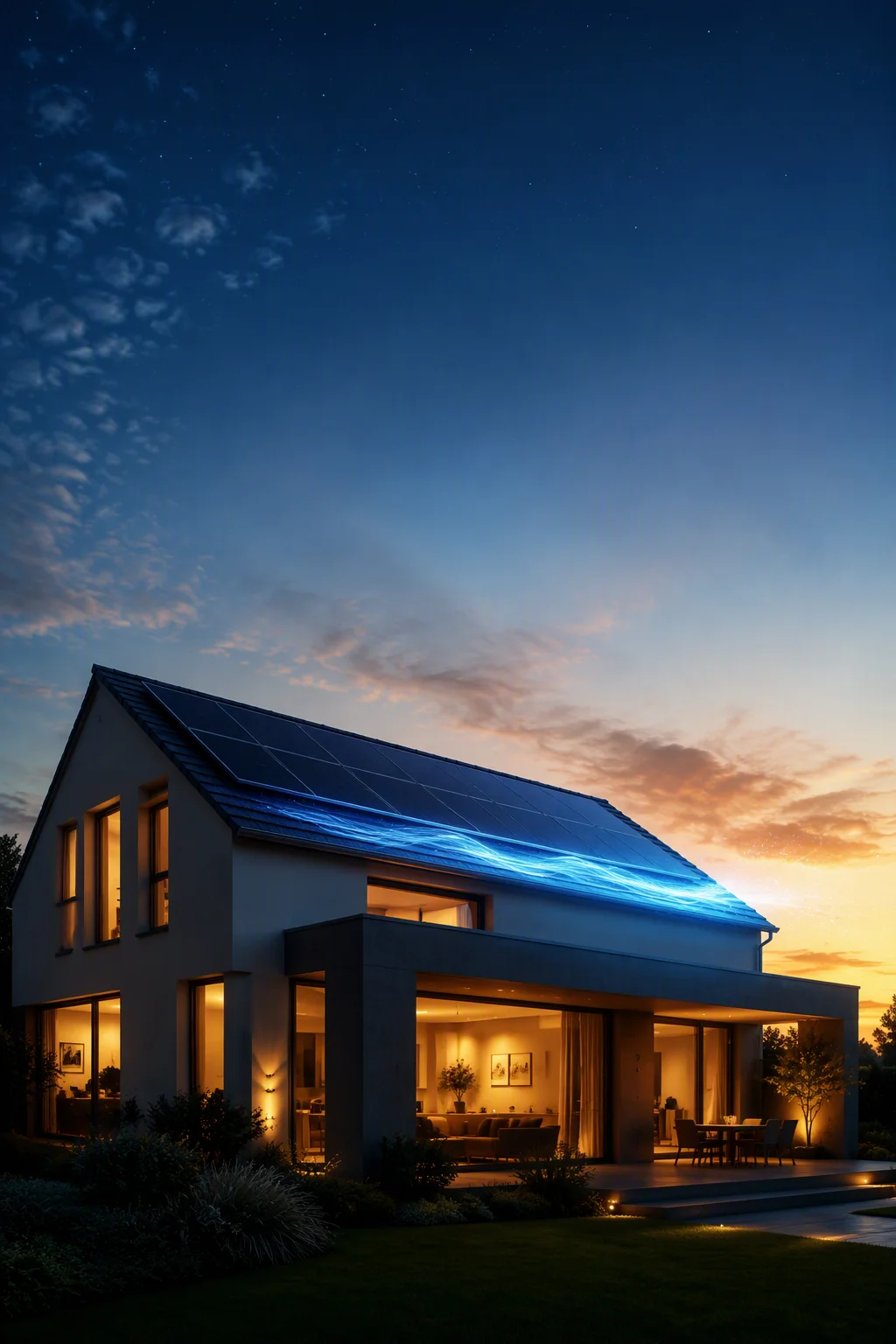
One platform, six markets.
EMS-ESS LiFePO4 storage — 3–12 kW hybrid inverters, 5.12–30.72 kWh expandable capacity and 10 ms switchover — serves six markets from one platform: residential solar, apartments, shops, offices, EV charging standby and off-grid diesel-hybrid sites. Each market buys the same certified core (CE, IEC 62109, UN38.3) for a different job, from dodging Germany's minus €250/MWh export hours to keeping a South African shop trading through load-shedding. Three facts frame the opportunity: negative prices have made solar export unprofitable in Germany, battery plus smart control lifts self-consumption from ~30% to ~80%, and the average German household already sees 13.7 minutes of outage a year.
Pick the problem. We size the system.
Six buyer problems, six documented pain points, one LiFePO4 platform. Every card below links to a page with the numbers and the product mapping behind it — self-consumption up from ~30% to ~80%, switchover in 10 ms, and distribution channels already open in 20+ countries. Whether the buyer is a German homeowner dodging negative export prices or a South African shop owner bracing for load-shedding, the sizing math starts from the same daily kWh, peak load and grid type.
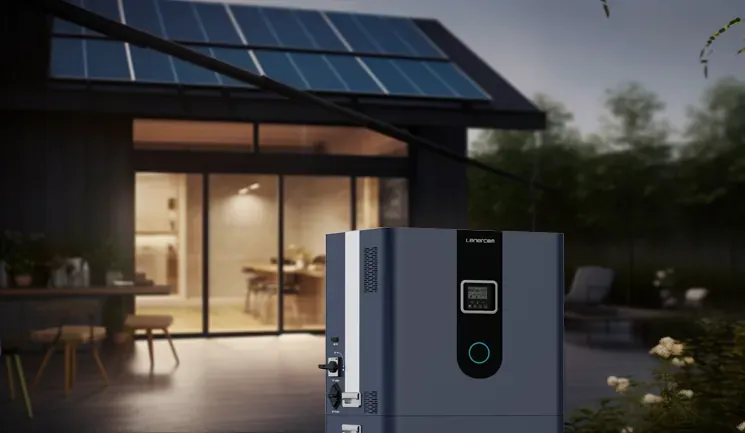
Residential Solar + Storage
Germany's wholesale price fell to minus €250/MWh on 11 May 2025, so exporting midday solar now costs owners money. Battery plus smart control lifts self-consumption from ~30% to ~80% instead.
Explore residential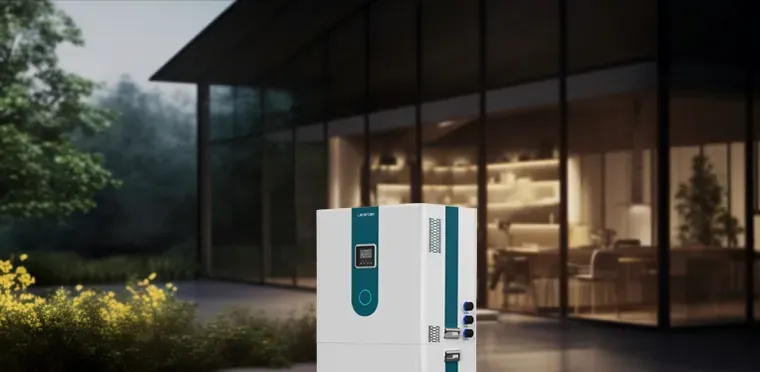
Apartments & Multi-Family
Demand charges and peak tariffs are the dominant cost in multi-family buildings, and space is tight. IP20 indoor, quiet, lightweight systems install in about 5 minutes and lift self-consumption from ~30% to ~80%.
Explore apartments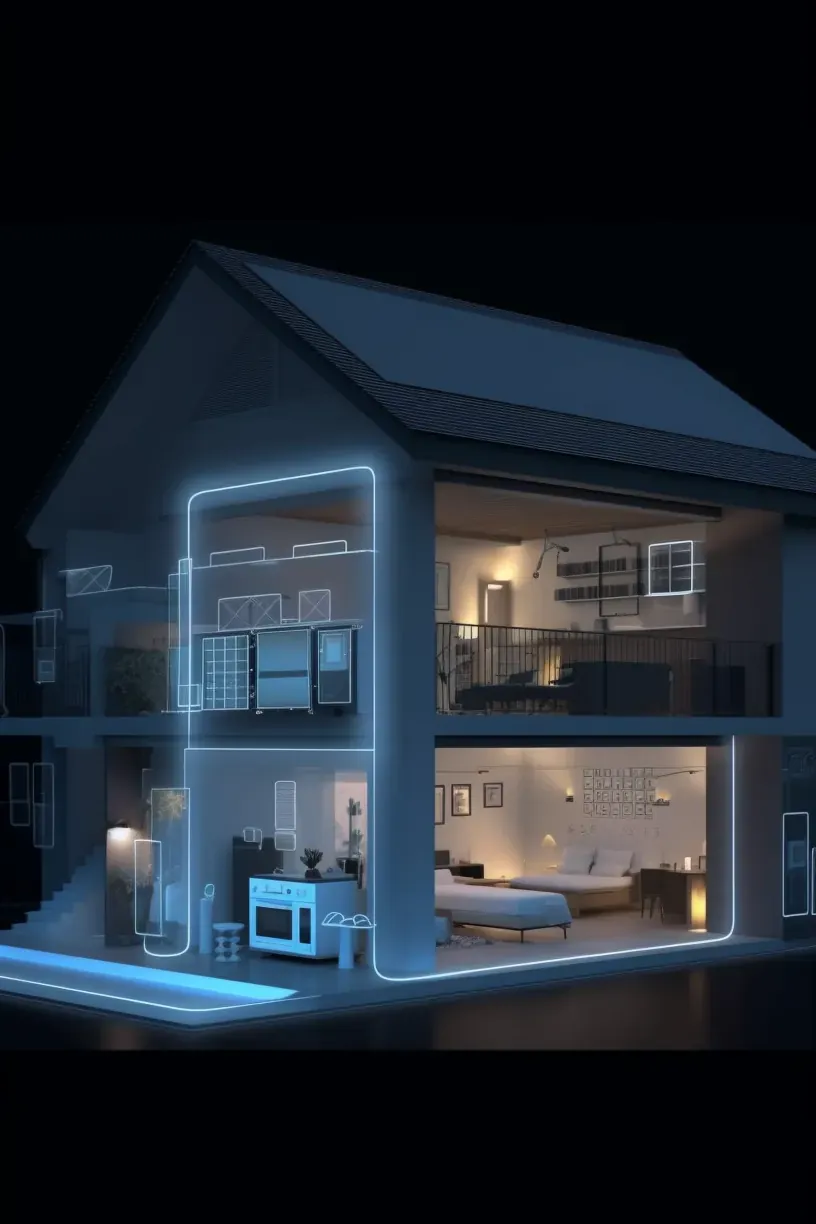
Shops & Small Business
Real South African inquiries — a "5kva home backup system" and "Hybrid Solar system to rent" — show where load-shedding pain lives. Keep fridges, tills and lighting running with 10 ms backup and peak-valley arbitrage.
Explore shops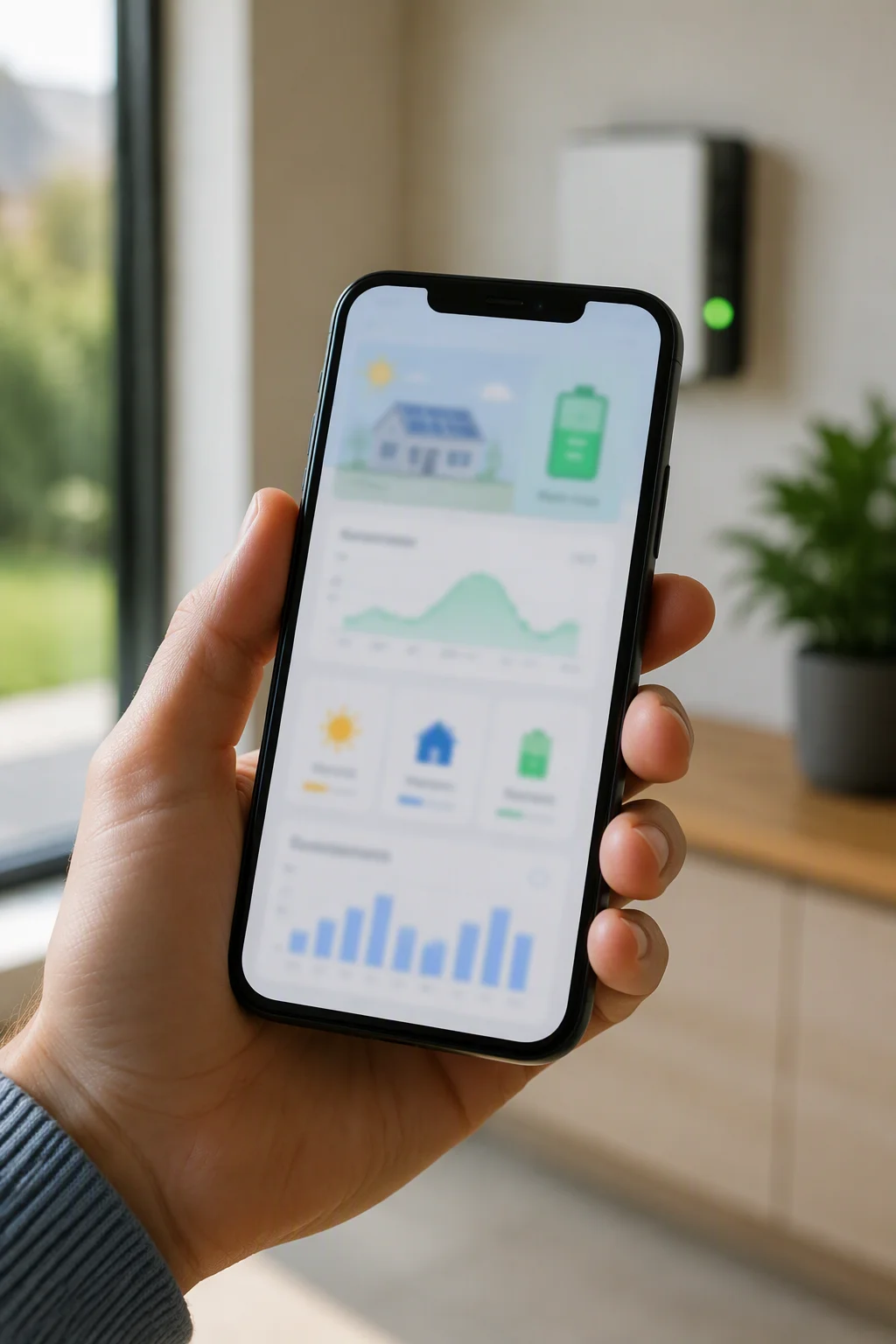
Offices & Laboratories
Germany averaged 13.7 minutes of outage per household in 2023, enough to corrupt a server or ruin a stored sample. 10 ms UPS-grade switchover and 90–280 V wide input keep critical loads safe.
Explore offices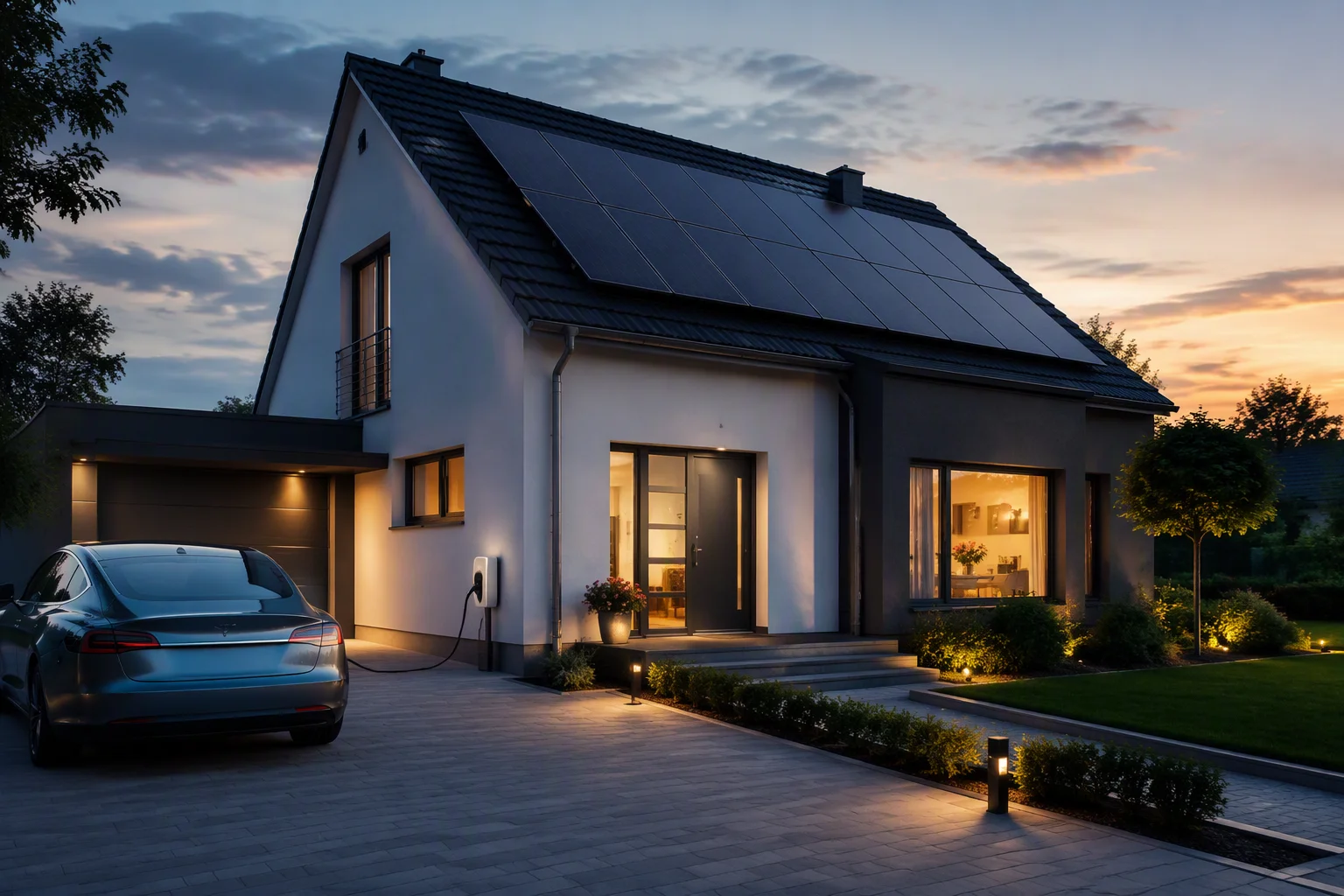
EV Charging Standby
Negative-price hours make midday solar export worthless; storing that PV for evening EV charging is the fix. EMS-ESS supports standby power for electric-vehicle charging, per the product brief.
Explore EV standby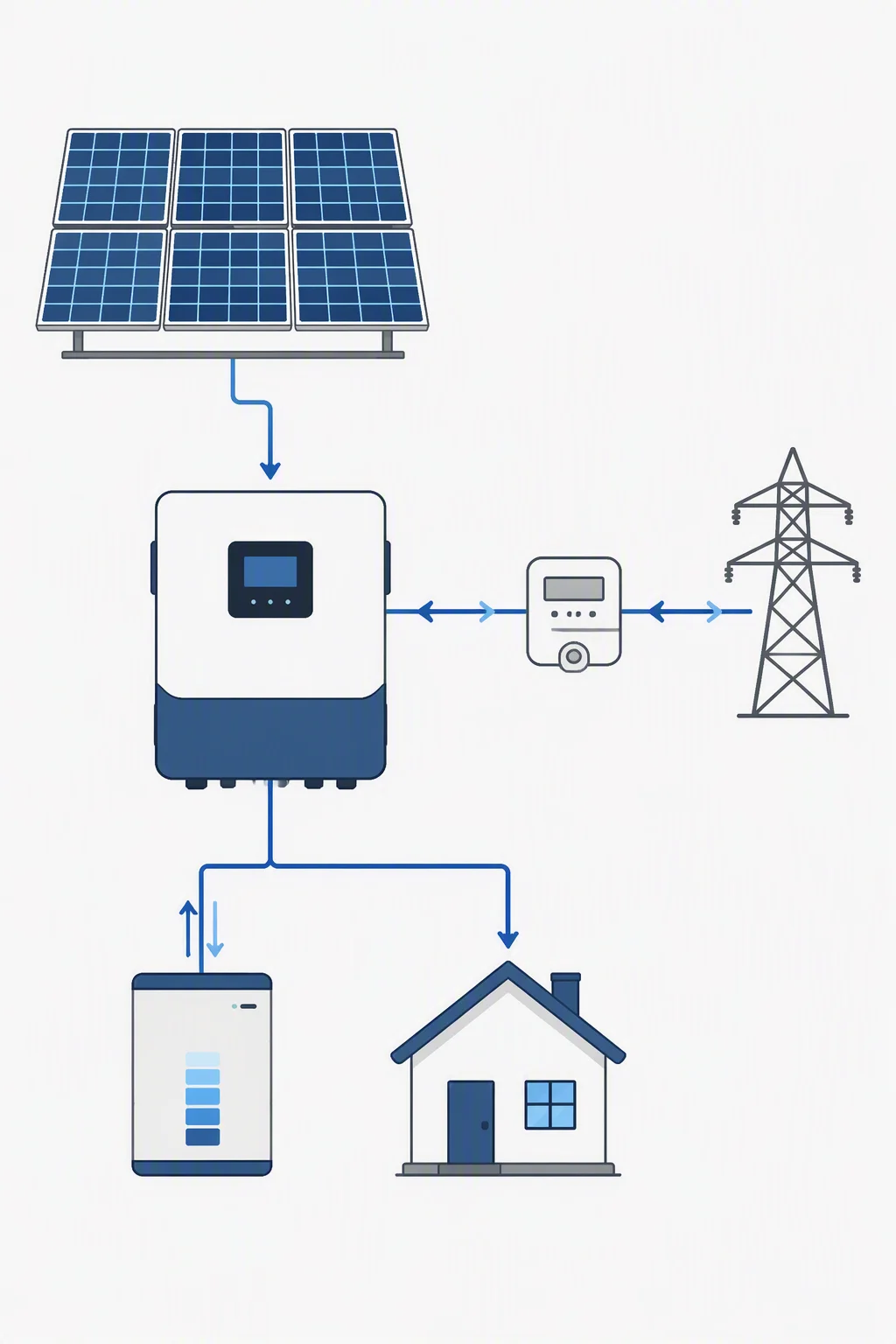
Off-Grid & Diesel-Hybrid
Hybrid battery systems cut diesel consumption by up to 80% at off-grid sites. Multi-source input from PV, grid and diesel lets one platform cover remote and generator-backed loads.
Explore off-gridNumbers that move buyers.
These are the data points pushing each of the six markets toward storage today — negative prices, low self-consumption, short-but-costly outages and a distribution network already spanning 20+ countries. Negative prices turn surplus solar into a liability, low self-consumption wastes the array, and even Germany's brief outages corrupt unsaved work, so every stat below maps to a real buying trigger.
One certificate pack covers every market above.
CE, IEC 62109-1&-2, UN38.3 and grid-connection approvals for the EU, UK, Germany, Poland, the Czech Republic, India and Pakistan travel with every system — so your country launch does not wait on paperwork.
Six markets. One supplier.
Tell us which problem you sell into and the daily kWh, peak load and grid type behind it. Our sales team returns a sized system and a certification pack within one working day, with one point of contact across residential, commercial and off-grid lines.